Home Gym vs Peloton: What Should You Spend Your Money On?
Connected bikes are slick, but a few dumbbells and a free app may get you fitter for less. We break down costs, motivation and space to help you decide.
In this article
Home workouts boomed in the early 2020s, and Peloton became the symbol of the trend: a sleek connected bike, a big screen and instructors who felt like celebrities. The company has weathered ups and downs since then, including a widely reported safety recall of its original Tread+ treadmill in 2021, yet the brand remains a benchmark in connected fitness.
The question for shoppers is simple: is a premium connected machine worth it, or should you build a home gym from basic equipment? The answer depends on what motivates you.
The true cost of each option
A connected bike is not just a purchase, it is a subscription. You pay for the hardware and then a monthly membership for classes and features. Without the membership, the bike still works, but the experience is reduced. That ongoing cost adds up over years.
| Connected bike (Peloton-style) | DIY home gym | |
|---|---|---|
| Upfront cost | High | Low to moderate |
| Ongoing cost | Monthly membership | None, or a low-cost app |
| Variety | Cycling-focused, plus classes for strength, yoga and more | Unlimited, depending on your kit |
| Space needed | A permanent footprint | Can be stored in a closet |
| Motivation | Live classes, leaderboards, instructors | Depends on your discipline and app |
| Resale | Used market exists, prices fall quickly | Dumbbells hold their value |
| Best for | Cyclists who love structured classes | Strength training, flexibility, budget-conscious |
Prices vary by model and region, so use the table as a general guide.
What you get from a connected bike
- Production quality. Instructors, music and studio energy make workouts feel like an event.
- Data and metrics. Power output, cadence and resistance are tracked, so you can see progress.
- Community and accountability. Leaderboards and challenges motivate some people to show up.
- Convenience. No commute, no gym membership lines.
The main risk is buying a bike and then never using it. Many of us have friends whose pricey equipment ended up as a clothes hanger. Before you buy, try a few classes at a studio or on a friend's machine.
What you get from a DIY home gym
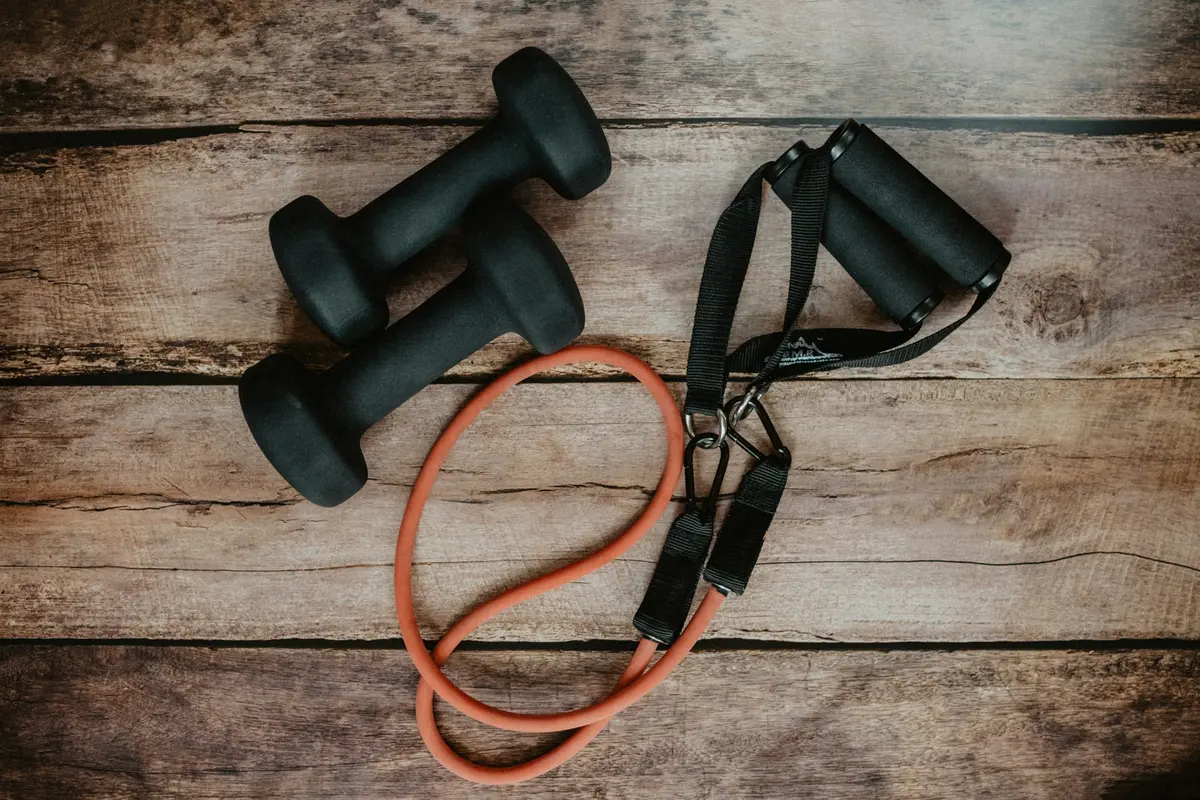
A little equipment goes a long way. A simple, versatile kit could include:
- Adjustable dumbbells or a few pairs of fixed weights. Adjustable sets save space by combining many weights in one.
- Resistance bands. Cheap, portable and useful for warm-ups, pulling exercises and rehab.
- A kettlebell. Swings, squats and carries all in one piece of equipment.
- A pull-up bar. A doorway bar is inexpensive and effective.
- A mat. For stretching, core work and floor exercises.
- A sturdy bench, if you have space and want to expand your options.
Apps and classes without the hardware
You do not need a connected machine to enjoy guided workouts. Options include:
- Free video workouts on YouTube from qualified trainers.
- Nike Training Club and similar free apps with plans and follow-along workouts.
- Subscription apps such as Apple Fitness+ or other platforms, often cheaper than connected-equipment memberships.
- Local classes and studios, if you enjoy in-person energy.
A stationary bike can also be found from many brands at more modest prices, and some work with third-party apps so you can use the classes you prefer.
Matching the choice to your personality
- You crave structure and community: a connected bike or a studio membership may keep you consistent.
- You like variety and freedom: a DIY kit and a few apps will let you explore strength, yoga, running and more.
- You have a small home: choose foldable or storable equipment.
- You have joint pain or injuries: consult a healthcare professional and consider low-impact options such as cycling or swimming.
- You are on a tight budget: start with bodyweight exercises, bands and a pair of dumbbells, and upgrade only when you have built the habit.
Safety and set-up tips
Whatever you choose, follow the manufacturer's safety guidance. Keep children and pets away from moving equipment, place machines on a stable floor and check for recalls before you buy used gear. Warm up properly, and progress gradually. If you have health concerns, talk to your doctor before beginning a new exercise program.
Save money
- Buy second-hand. Dumbbells, kettlebells and benches often turn up cheaply from people who have given up on their resolutions. Our thrift and resale guide has tips for safe buying.
- Time your purchase. January and holiday sales bring discounts on fitness equipment; see our Black Friday strategy.
- Rent or try first. Some manufacturers offer trial periods.
- Budget for the extras. Shoes, mats, floor protection and a water bottle add up.
For workout clothing suggestions, our Lululemon vs Gymshark comparison may help.
The takeaway
Equipment does not create the habit. The right choice is the one you will use consistently, whether that is a connected bike with a class schedule or a corner of your living room with a set of weights. Try before you buy, start small and spend only when you have proved the habit to yourself.
Product lineups, prices and availability change often. Check current specs and retailer terms before you buy. See our editorial policy and affiliate disclosure.