Furnishing a Small Apartment with IKEA: A Smart-Shopper's Guide
Measure first, buy multipurpose pieces and think vertically. Here is how to make a compact home feel bigger without overspending at IKEA.
In this article
Small apartments force you to make choices. Every chair, shelf and lamp competes for a limited amount of floor space, so mistakes are costly. That is why IKEA, with its modular storage, affordable prices and huge catalog, is a common starting point for compact living.
Founded in 1943 by Ingvar Kamprad in Sweden, IKEA popularized flat-pack furniture that customers assemble themselves, which keeps shipping and warehousing costs low. The trade-off is that quality varies across the range, so it pays to know what to buy and what to skip.
Step 1: measure everything
Before you shop, measure the room, the doorways, the stairwell and the elevator. Sketch a rough floor plan and mark windows, radiators, sockets and the swing of doors. Note ceiling height, which matters for tall storage.
Then tape furniture outlines on the floor with painter's tape. Seeing a sofa's footprint in real size is the fastest way to find out whether it will choke the room. Leave at least 75 to 90 centimeters (around 30 to 36 inches) for main walkways.
Step 2: prioritize dual-purpose furniture
- Sofa beds and daybeds. Options such as the FRIHETEN corner sofa-bed give you seating by day, a bed at night and hidden storage.
- Beds with storage. Bed frames with drawers or lift-up bases, such as MALM with storage boxes, turn wasted space into wardrobe capacity.
- Drop-leaf and extendable tables. A gateleg table like NORDEN can be folded away when you are not using it.
- Nesting tables and stools. These slide together when not in use and double as extra seating.
Step 3: go vertical
Walls are your biggest asset in a compact home. Tall storage keeps your floor clear and draws the eye upward, which makes a room feel taller.
| Problem | IKEA-style solution |
|---|---|
| Not enough wardrobe | PAX system, customized to your ceiling height |
| Books, decor, display | BILLY bookcases, which can be extended with height units |
| Entryway clutter | Slim shoe cabinets, wall hooks and a narrow bench |
| Desk and craft space | SKÅDIS pegboard, wall-mounted shelves |
| Kitchen storage | Rails, hanging pots and wall-mounted racks |
| Flexible shelving | IVAR solid pine units for garage, hall or bedroom |
Always anchor tall furniture to the wall using the supplied brackets. Every year, tip-over accidents injure children and adults, and anchoring takes only a few minutes.
Step 4: use light and color wisely
A small room feels larger when it is bright and uncluttered.
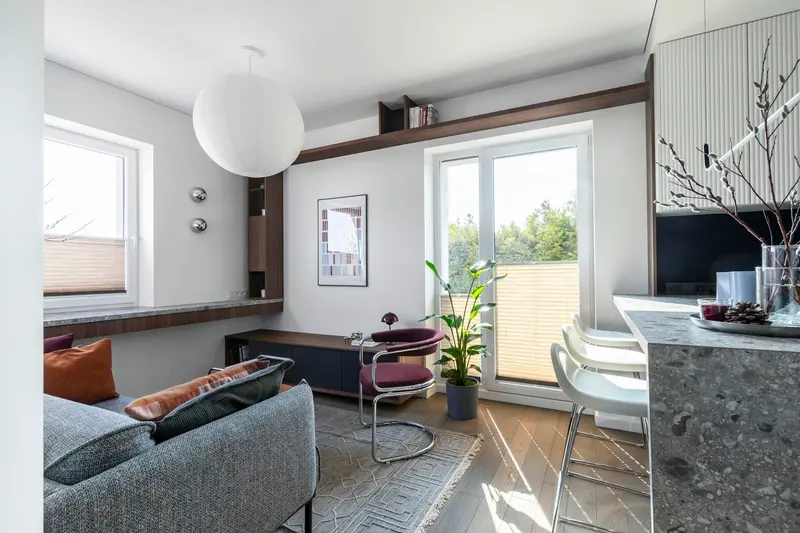
- Layer lighting. Combine an overhead light with table and floor lamps at different heights. Warm bulbs make a small space feel cozy.
- Use mirrors. A large mirror opposite a window bounces natural light around the room.
- Stick to a tight palette. Two or three coordinating colors, with texture for interest, keep the space calm.
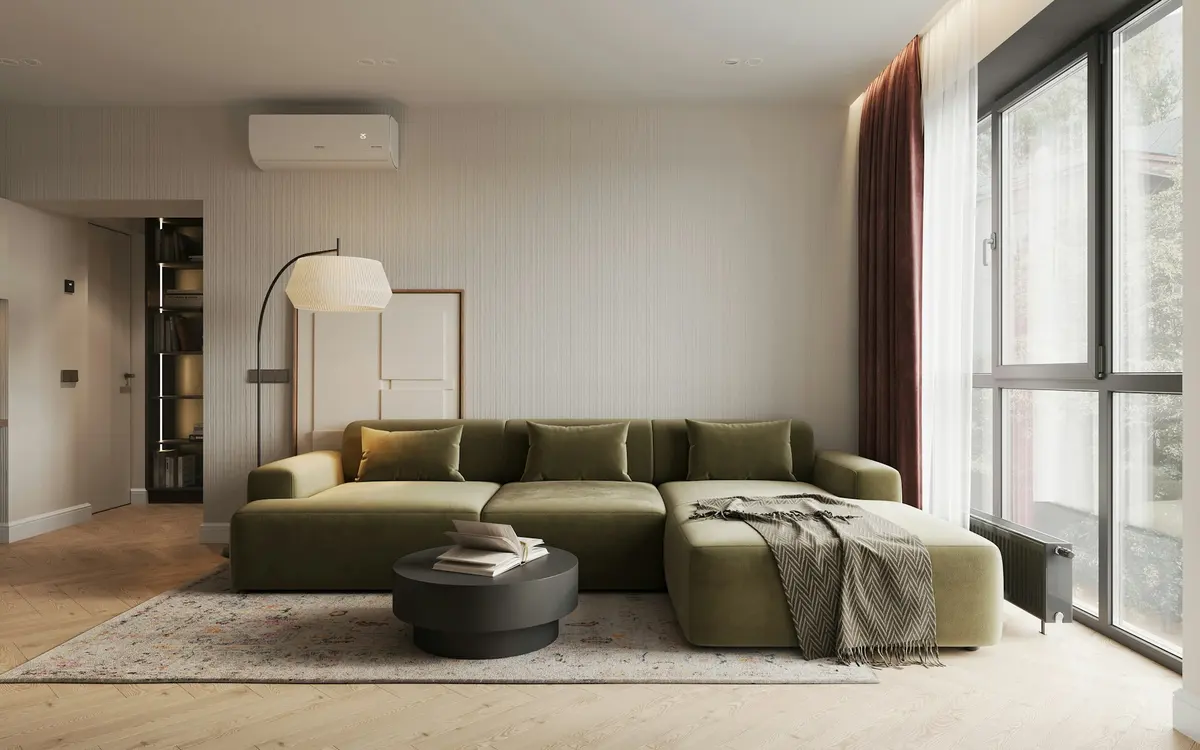
- Choose furniture with visible legs. Seeing floor beneath a sofa or cabinet creates an illusion of openness.
- Hang curtains high and wide. Mounting the rod near the ceiling makes windows and walls look taller.
Know what to buy and what to skip
IKEA offers products at very different quality levels.
- Buy items that rely on simple construction and hardware, such as solid pine shelving, metal frames, storage boxes, textiles, lighting and kitchen basics.
- Be cautious with heavily used pieces made from particleboard, such as flat-pack tables or desks that will be moved often. They can weaken at joints if disassembled and reassembled repeatedly.
- Invest more in the things you use every day, such as your mattress and your chair. See our mattress-in-a-box guide for what to look for.
Save money and time
- Check the online store first. Stock, dimensions and assembly instructions are all listed.
- Use the planning tools. Online planners for wardrobes and kitchens help you visualize before you buy.
- Visit the "As-Is" section in stores for discounted returns and display models.
- Ask about delivery and assembly services if you cannot carry large boxes or lack tools.
- Read the return policy. Return windows for unused products are typically generous, but conditions vary by country and membership.
- Assemble carefully. Follow the instructions, tighten all screws and check them again after a few weeks.
A sample plan for a 30-square-meter studio
- Sleeping zone: a bed with storage underneath and a tall wardrobe against one wall.
- Living zone: a compact sofa, a nesting coffee table and wall shelves.
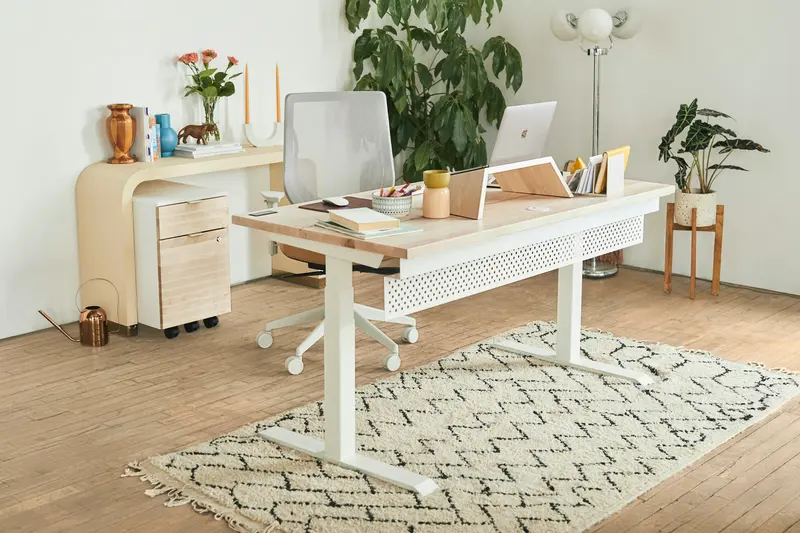
- Working zone: a slim desk under a window, with a pegboard above for supplies.
- Dining zone: a fold-away table that doubles as a desk or prep surface.
- Entry: wall hooks, a shoe cabinet and a mirror.
Final word
Small-space success comes from planning, not from buying more. Measure twice, choose multipurpose pieces, use your walls and keep colors and surfaces simple. IKEA's affordable systems give you an excellent toolkit, and thoughtful shopping turns a small footprint into a home that feels generous.
Product lineups, prices and availability change often. Check current specs and retailer terms before you buy. See our editorial policy and affiliate disclosure.